

Research and Development across Borders
Different countries and sectors, one consistent habit: start with the real problem, then work out what will solve it.
The role
From 2015, and later alongside his work leading and then supporting a local authority trading company in the UK, Vikramjeet Sahdev carried out a series of research and development projects, in the UK and overseas. They sat in very different sectors, technology, healthcare, economic development and education, and they were separate projects, but each began the same way: with a clear eyed look at what the people involved actually needed, before deciding what would deliver it.
Smart cities: starting with the problem, not the technology
In 2017 and 2018, Vikramjeet led strategic research and development work for a major global electronics and technology company with genuinely sophisticated Smart City capability. The challenge was making that capability land with local authorities: organisations with their own budgets, politics, legacy systems and service pressures, where the best technology in the world means nothing if it doesn't fit how a council actually works. The engagement lasted around a year.
He began with detailed research into what two UK local authorities were really struggling with: service delivery, budget pressure, digital transformation, citizen experience, transport, environmental challenges, community safety and the interfaces between health and social care, before asking where data, technology and new operating models could genuinely help. From there, he developed the Target Operating Model needed to make that transformation real, covering people, process, technology, data, governance, commercial models and citizen experience, and acted as the bridge between technology specialists and the Chief Executives, senior officers, elected Members, digital leaders and procurement teams who would have to adopt it. The sequence was deliberate: understand the challenge, define the outcome that matters, design the operating model, identify the enabling technology, build the commercial model, then execute. Technology came fifth, not first.
The purpose of the research was to find out how best to embed technology in a council's systems and processes, so as to automate and streamline them, deliver centralised golden data (one trusted set of information) and inform policy decisions. The idea at the heart of it was a single, centralised hub connecting public services across a whole city: automating them, collecting all the data in one place, and using it to serve the public better. That lets a local authority design services around what its citizens actually need, rather than what it has always provided, and creates cost savings, efficiency and new income along the way. Pilots were agreed, for a UK local authority and internationally.
Separately, in 2017, Vikramjeet worked on smart city projects with major cities in Argentina, in collaboration with the same company, where the approach had to be reassessed against different governmental structures, infrastructure maturity, economic conditions and cultural requirements while keeping the underlying principles intact. The aims were the same as in the UK work.
Understanding the UAE
In the UAE, between 2015 and 2018, the work was research and development for our own benefit: understanding the market so that TGL can tailor its own services to it.
Digital health: better care, better value
Building on his earlier experience of technology enabled care in local government, Vikramjeet carried out research and development work in China between 2016 and 2018, looking for TeleCare products of better quality and better value, more cost effective and with better outcomes, to support independent living, particularly for older people. A particular focus was combining assistive technology with healthcare technology, to close the knowledge and data gap between social care and health care providers. A further research and development project in Malta, in 2016 and 2017, set out to establish whether it would be worth offering TeleCare services there from the UK, or setting up a subsidiary in Malta.
Helping startups find their feet in Malta
Since 2017, Vikramjeet has also worked alongside a national government trade and investment agency in Malta, helping a small number of startups, at an early stage, with their business structures and business models.
Attracting international students: India
In India, in 2017 and 2018, Vikramjeet worked on creating a recruitment hub: a one stop shop for student recruitment in India, set up in collaboration with UK universities in the South East of England. Working with recruitment agencies, the focus was niche marketing aimed at Indian students who were already intending to study in the UK, encouraging them to consider the universities located in Kent.
What these projects have in common
Across smart cities, digital health, startup development and international education, the same discipline runs through all of this work: find the real problem before reaching for a solution, adapt rather than export, and stay close to the people who will have to live with the result.
Why it matters to TGL clients
TGL clients get consultants who have worked across borders, between public and private sectors, and between technology and the people who use it. That experience is why we ask what an organisation genuinely needs before we recommend anything, and why our recommendations travel well into new markets.
Countries where research and development was carried out
Where technology comes in his sequence, not first
Year the research and development programme began
Further reading
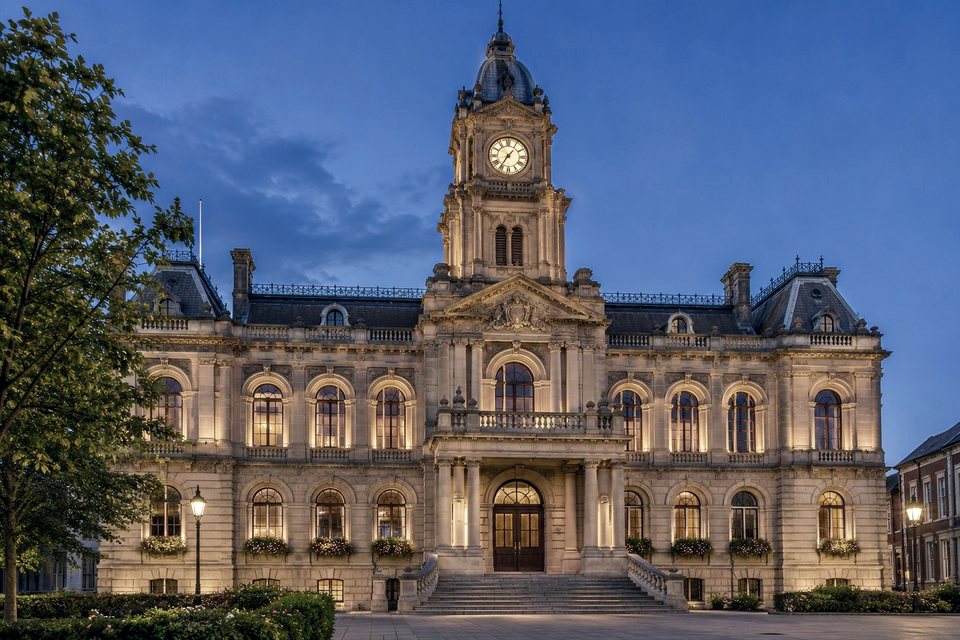
Turning council services into a commercial company
Vikramjeet Sahdev was CEO of a newly formed Local Authority Trading Company, leading 120+ staff through the transition and building a pipeline of opportunities worth over £40 million.
Read the full story
Designing the commercial future of a national tourism agency
We designed a leaner agency and a commercial strategy built around four ideas: off peak packages, direct digital booking, new visitor segments and a destination funding mechanism.
Read the case study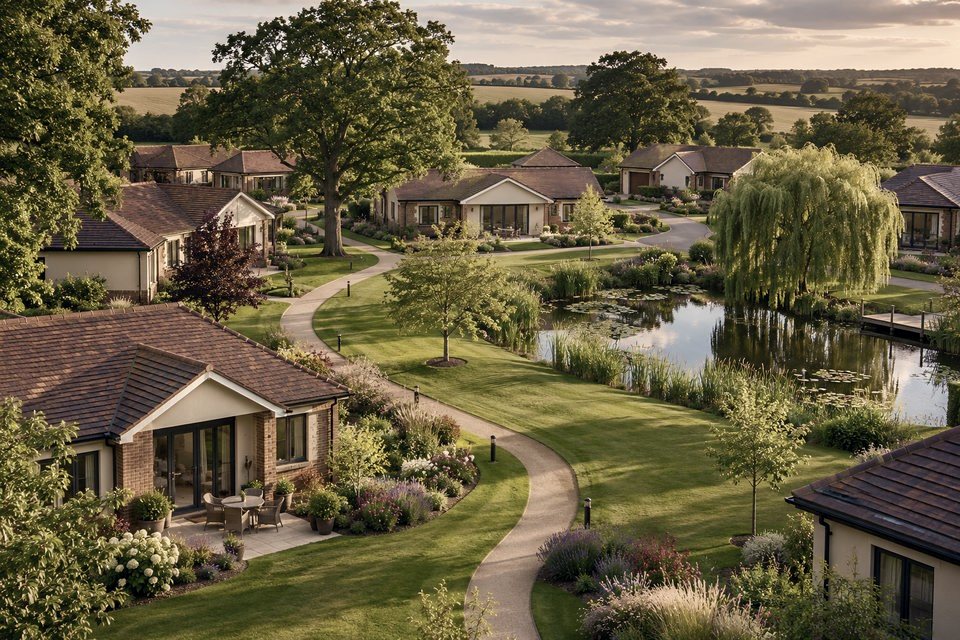
A £1.1 billion retirement community, from Green Belt farmland
We structured the land option, shaped a scheme of 755 homes with a healthcare hub, and designed three income streams. Land value rose from £100,000 to an estimated £650,000 per acre.
Read the case studyHave an idea that needs a plan?
Start with a conversation. We'll listen first.