
National Tourism Agency: Commercial Strategy
Helping a government funded destination agency explore a path to financial self sufficiency.
The challenge
Between January and July 2025, TGL acted as lead strategic consultant to a government funded national tourism agency, working with its government sponsors and the Agency's executive leadership. The brief went well beyond a typical restructure: examine the Agency's entire operating model, funding, digital capability, customer proposition and leadership arrangements, and find a way to build a leaner, more resilient tourism organisation, one that could grow the visitor economy while relying less on direct government funding. It also meant keeping proposals aligned with local government priorities while staying alert to wider UK strategic direction.
Our approach
We started with the organisation itself. TGL developed the business case for a leaner leadership structure, reducing the number of director level positions and replacing them with a more flexible model, using specialist interim capability only where needed to support delivery across three core areas: Data, Digital and Delivery; Marketing and Product Development; and Commercial and Customer Services. That let the Agency test and refine what it actually needed before committing to permanent structures, all within existing budgets.
But cost reduction was only half the brief. The real work was building a genuine Commercialisation Strategy, one designed to diversify funding, reduce reliance on government support, and create sustainable revenue. We researched, developed and modelled a portfolio of four commercial propositions:
- Off peak packages. A bulk purchasing and packaged experience model designed to fill quieter periods.
- A digital booking platform. An AI enabled direct booking system designed to capture commission currently lost to third party platforms.
- New visitor segments. A proposition aimed at turning a large, currently under served group of visitors into paying customers of local experiences.
- A destination funding mechanism. A recurring contribution, reinvested directly into visitor infrastructure and experience.
Every stage of this work meant operating across an unusually wide stakeholder environment: the Agency's CEO, executive team and Board, its sponsoring government department, political stakeholders, and the tourism, accommodation and transport businesses the strategy would actually affect.
What we delivered
The work produced two things. The first was a Target Operating Model, designed to meet the sponsoring department's budget saving objective while creating a flatter, faster, more accountable organisation. The second was a Commercialisation Strategy, with a business case for each proposition, designed to diversify the Agency's funding and reduce its reliance on government support.
Each proposition was researched, shaped into a commercial model and tested for its potential to generate sustainable revenue. Further upside was identified from additional visitor segments, hospitality and attractions.
TGL's commission ran from January to July 2025 and covered research, strategy and business case rather than delivery. The proposals were handed to the agency and its government sponsors to take forward. The work was built to be taken forward in phases, and TGL's 360 degree service includes helping organisations do exactly that.
The bigger picture
This wasn't a conventional efficiency exercise. TGL connected structural cost reduction with genuine revenue generation, reshaping the Agency's operating model while building the commercial foundations for it to become an increasingly self sufficient organisation for its destination.
Commercial propositions researched, shaped and modelled
Core delivery areas in the new leadership model
Of research, strategy and business case work
More of our work
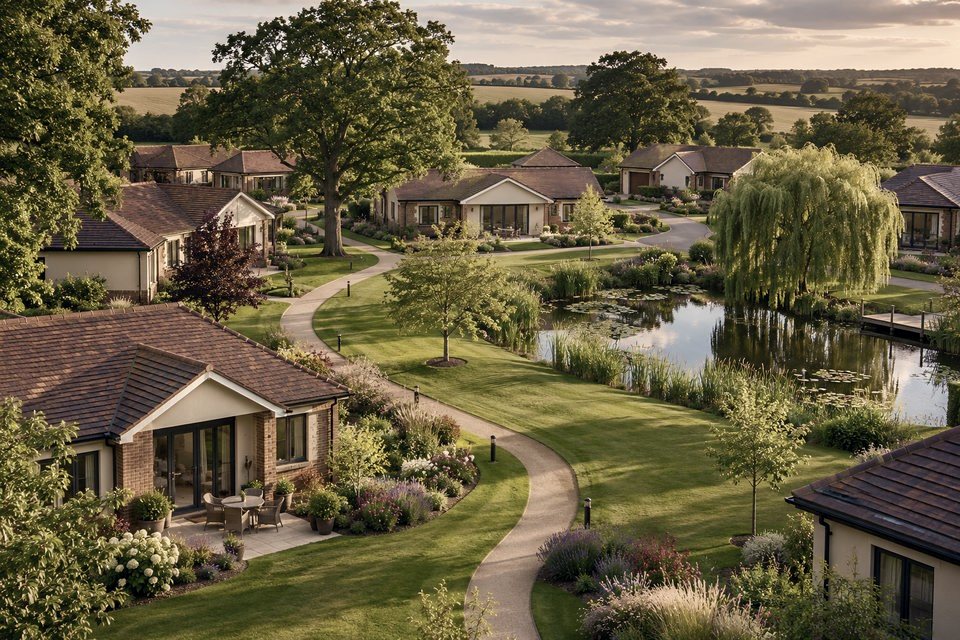
A £1.1 billion retirement community, from Green Belt farmland
We structured the land option, shaped a scheme of 755 homes with a healthcare hub, and designed three income streams. Land value rose from £100,000 to an estimated £650,000 per acre.
Read the case study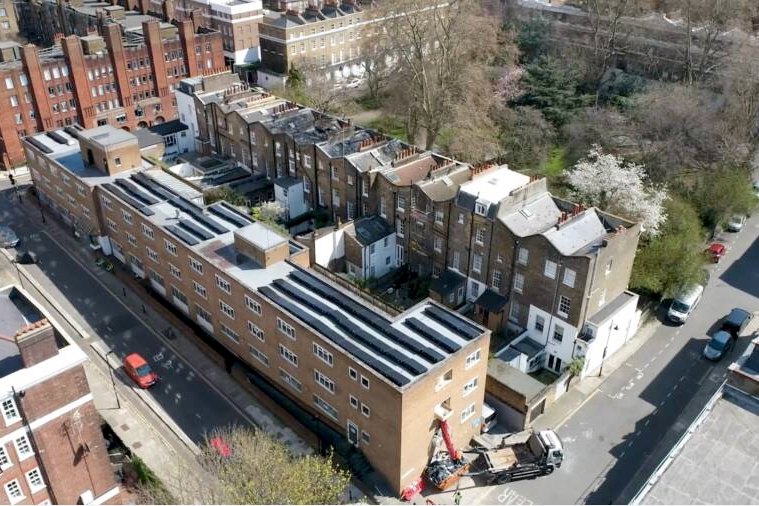
Housing for families of children with cancer
We helped a charity that supports Maltese children needing specialist cancer treatment in the UK move from rented family accommodation to a purpose designed home.
Read the case study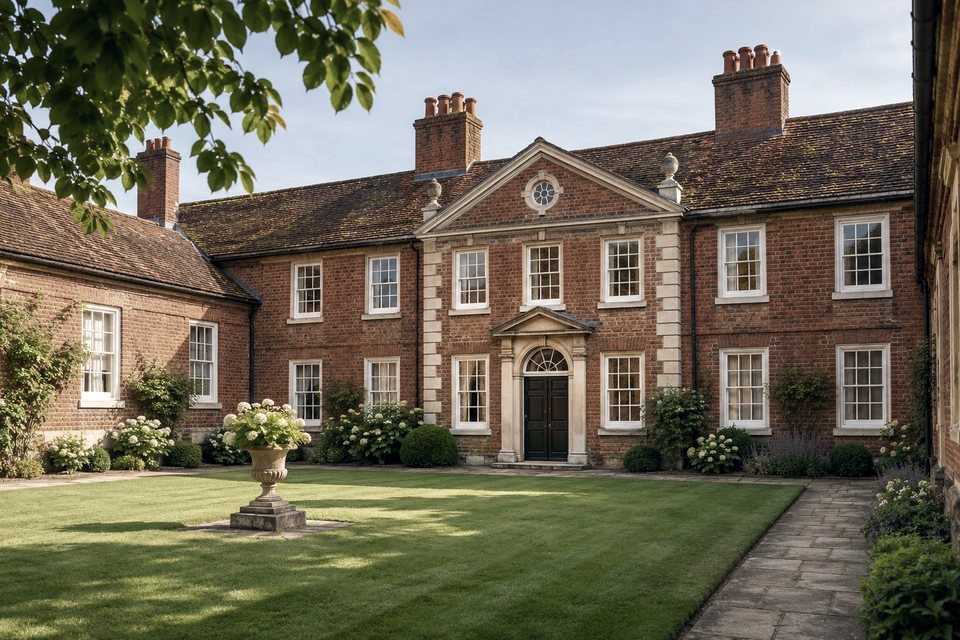
One property swap, a 73% increase in rental income
For a historic charity, we arranged the disposal of an underperforming building and the acquisition of a replacement on an innovative profit share lease, then planned the reinvestment to achieve a 14% yield.
Read the case studyHave an idea that needs a plan?
Start with a conversation. We'll listen first.